







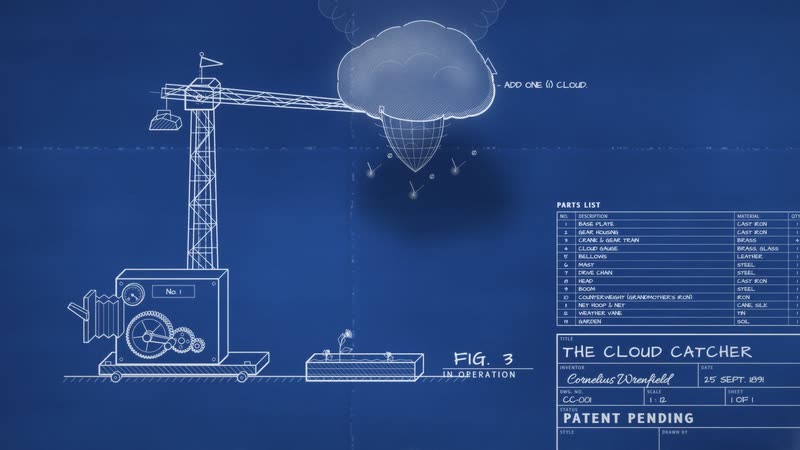
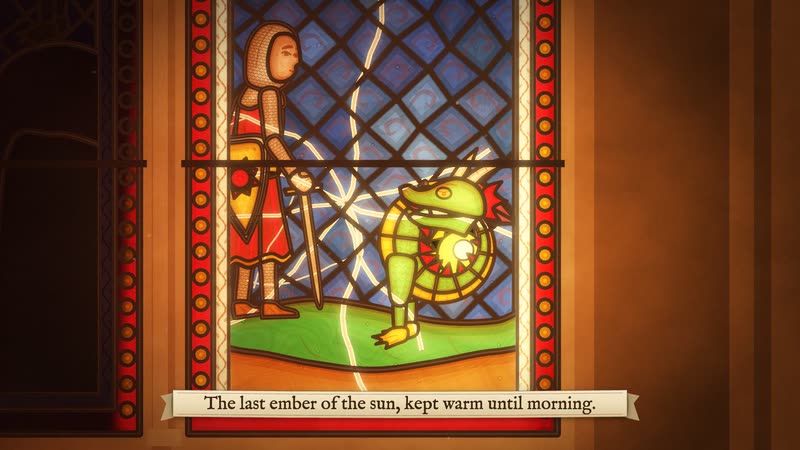
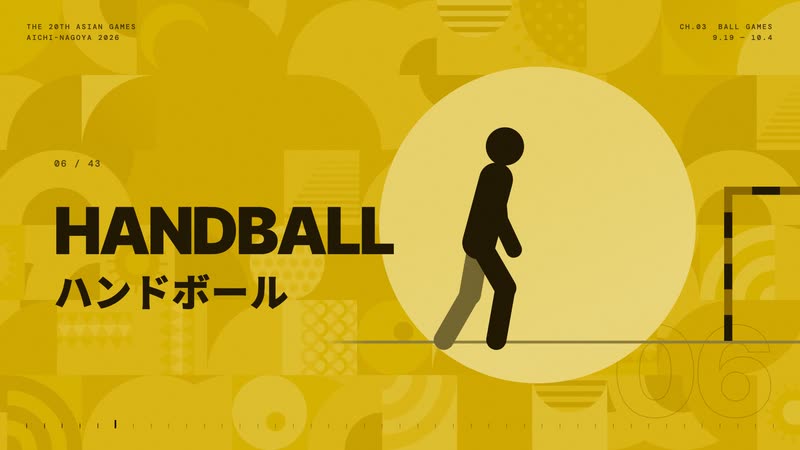
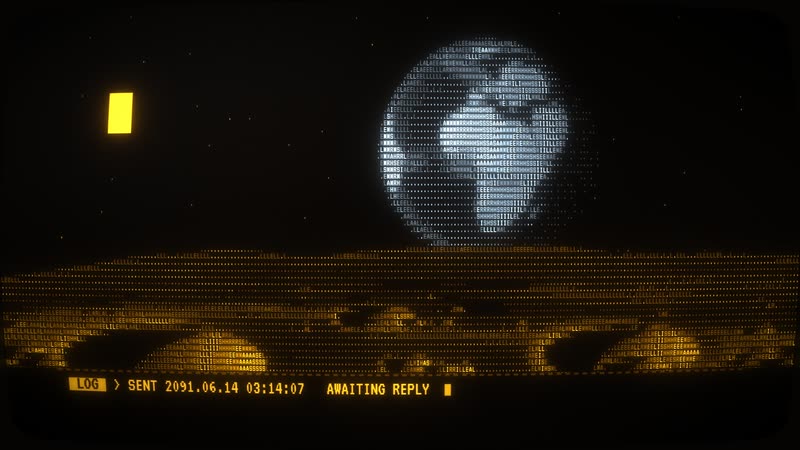






What we tested
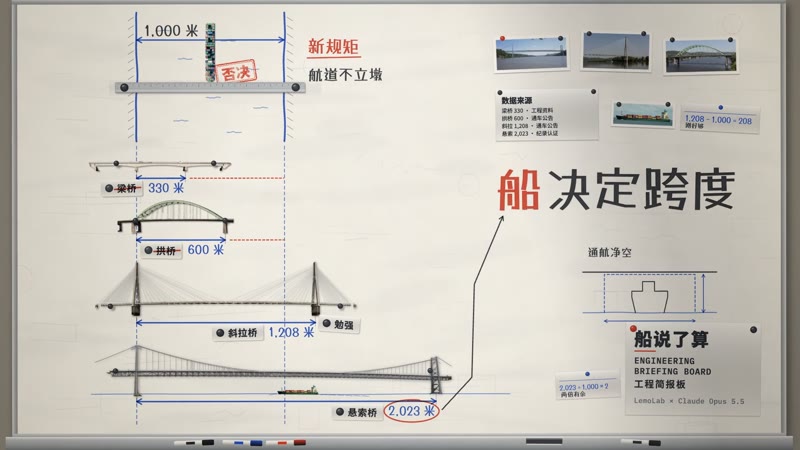
We cloned the repository and gave a Claude Code subagent on Claude Opus 5.5 the brief above, with the Whiteboard Explainer style and no narration, so the film had to work with music, sound effects and on-screen text alone. The agent followed the repository's own workflow: it read the director and technique guides and the style sheet, wrote a treatment, built the film, checked stills and a contact sheet, then rendered, scored, mixed and subtitled it.
What we found
- It delivered a finished film. The result was a 62-second MP4 at 1920×1080 and 24 fps, with an original score, sound effects synced to each pen stroke, nine subtitles and loudness normalised to −14 LUFS. It stuck to the three facts in the brief.
- The tooling is the strong part. Rendering, audio sampling, sound design, the readability check and the final mix all came from the repository and worked first time. Rendering all 1,498 frames took 18 seconds.
- The film itself is still written by the agent. About 500 lines of new code (the shots, the score and the mix) were the agent's own, drawing heavily on the style's demo. Its own estimate was roughly 15 minutes of work after reading the guides, which it called a lower bound.
- We hit a few rough edges. The whiteboard demo references a handwriting font the repository does not include, so the agent downloaded it. The readability check needs a hook the demo page does not provide. There is no general subtitle exporter, and the guides assume a narrated film. Most comments in the core tools are in Chinese.
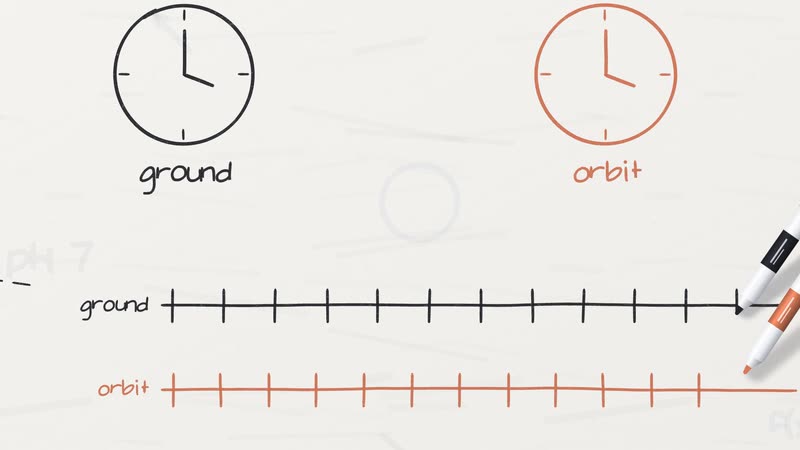
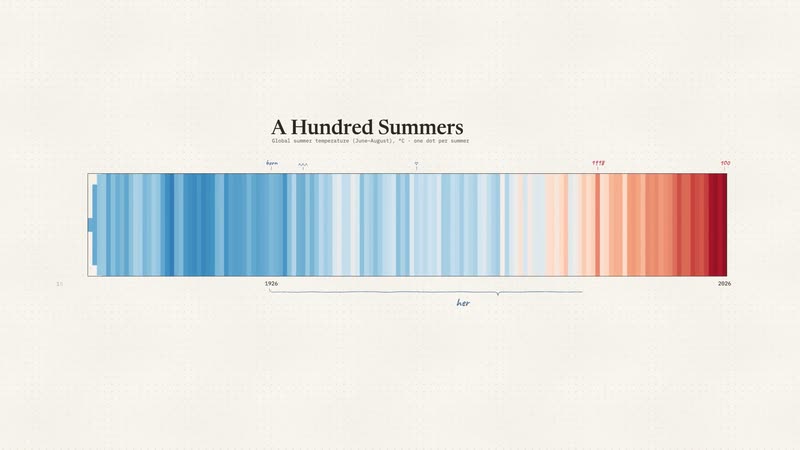
- Competent, not stunning. The style was there: a glossy board, a floating marker, magnets as the only moving objects. But the opening is slow without a voice, the full-board pull-back near the end looks sparse, and the final hold runs a little long.
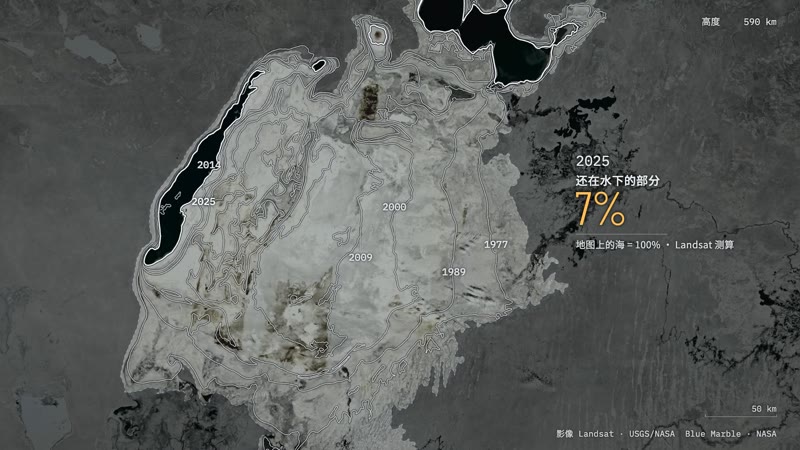
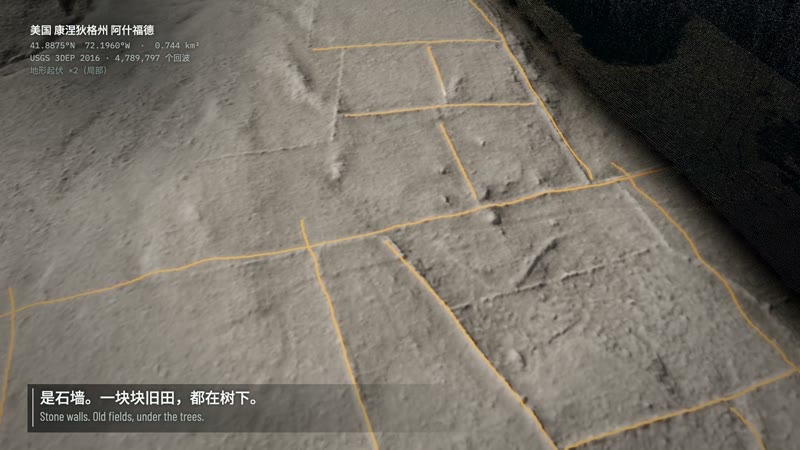
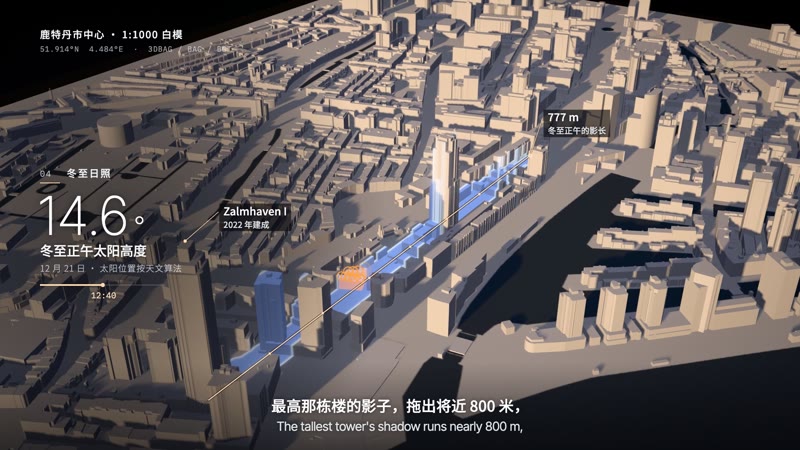
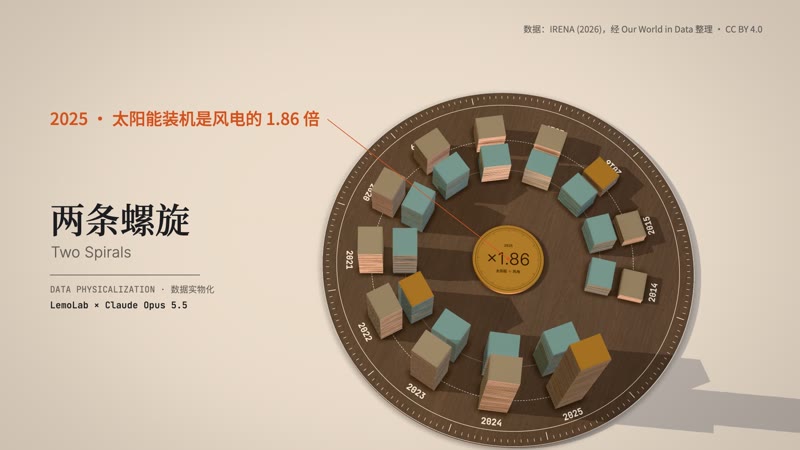
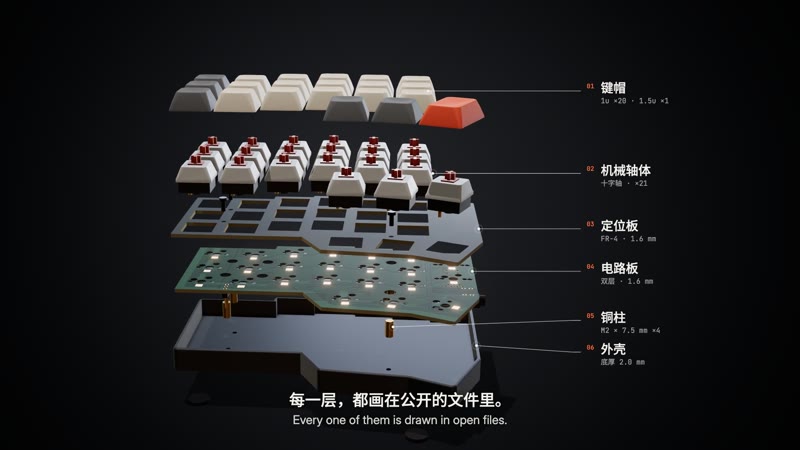
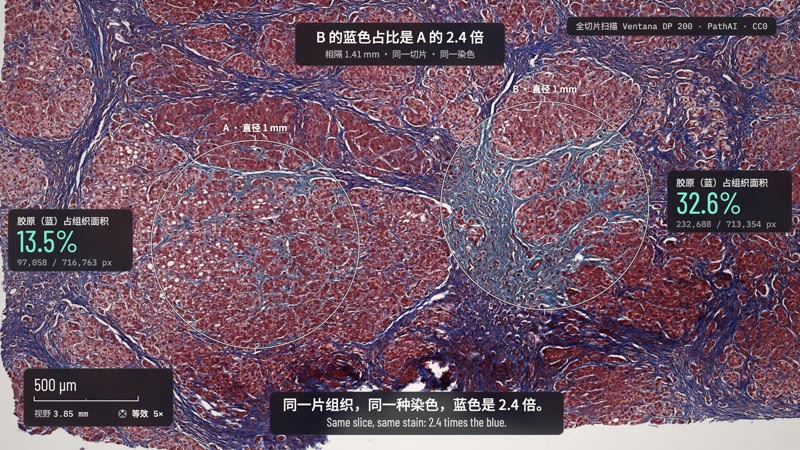
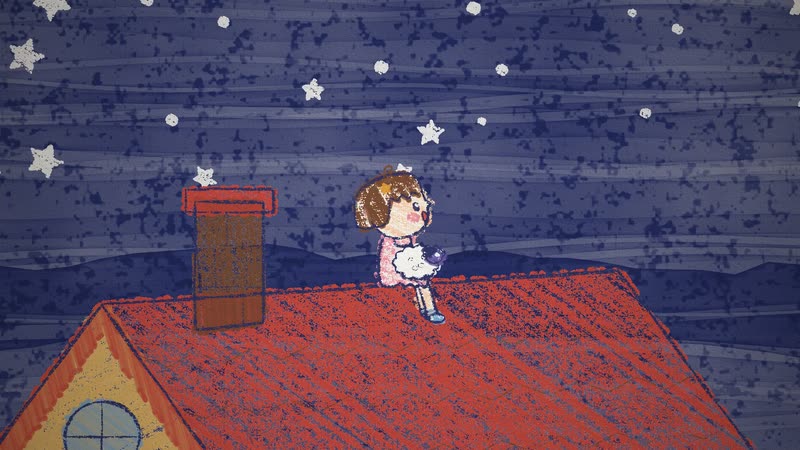
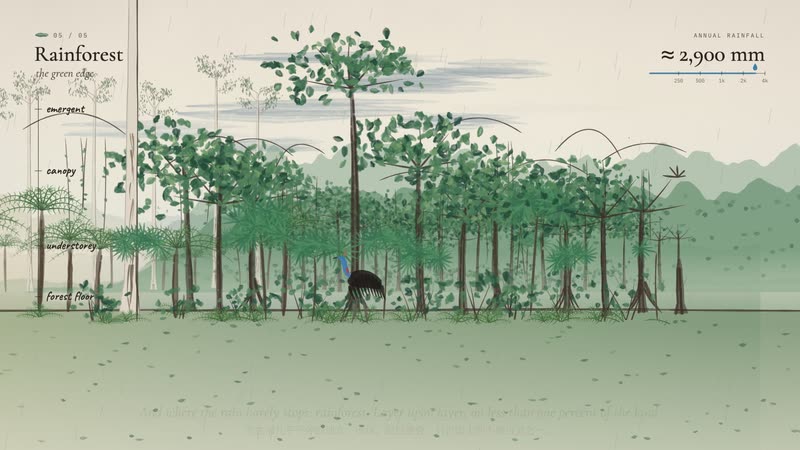
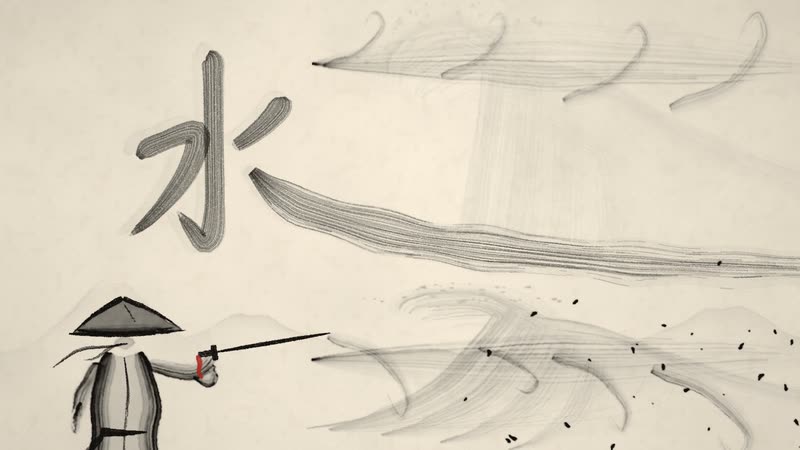
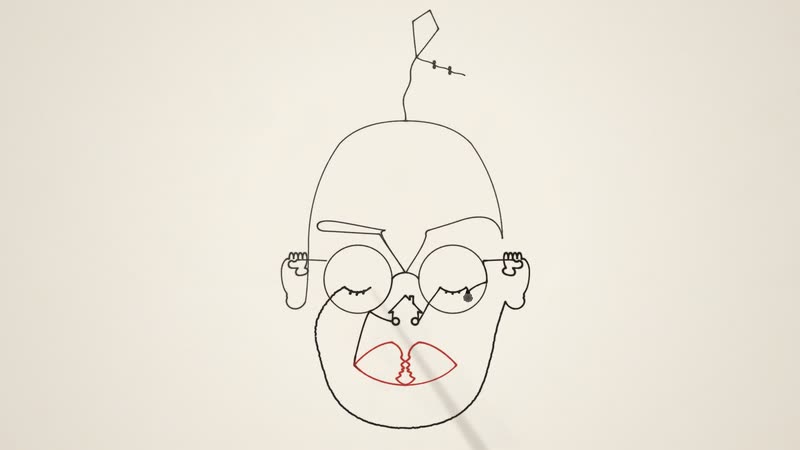
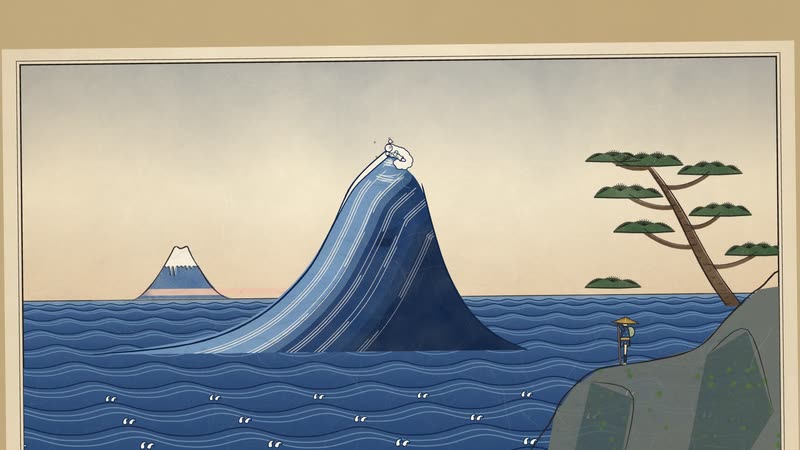
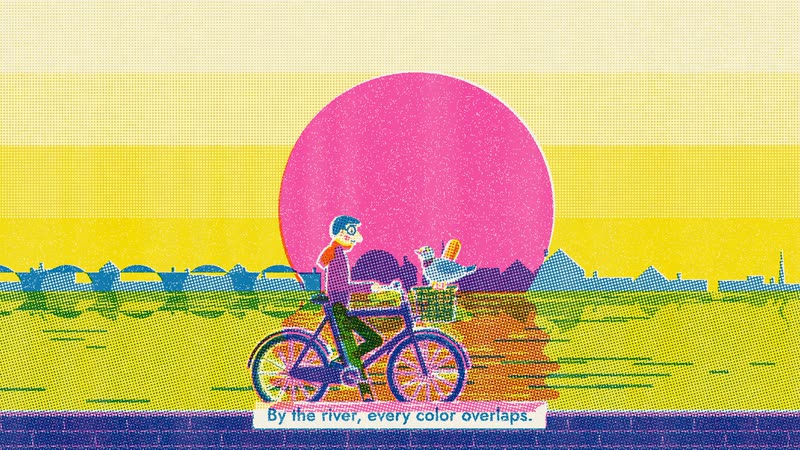
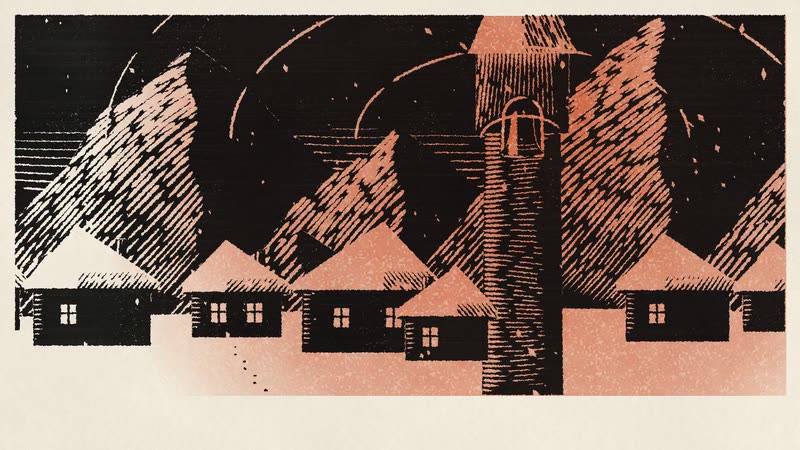
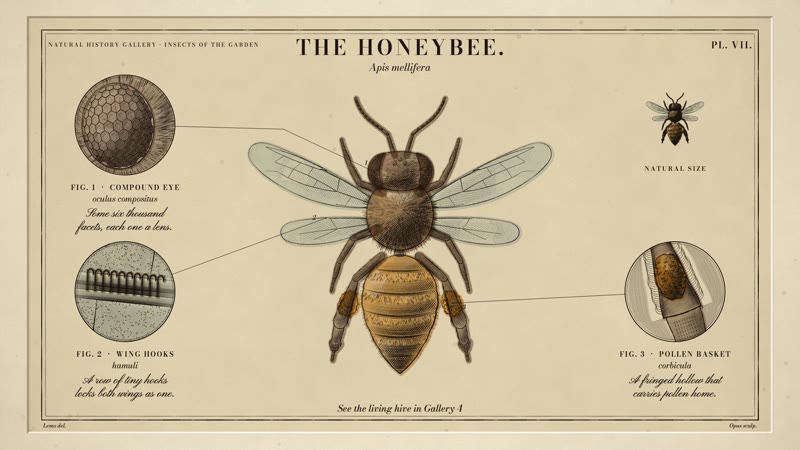
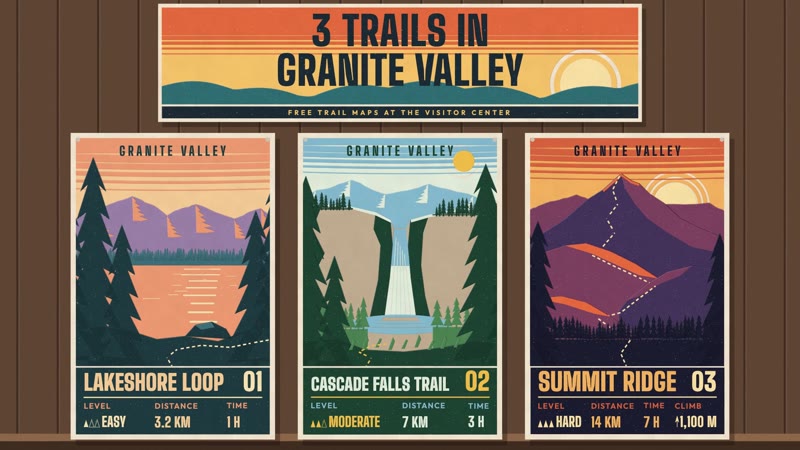
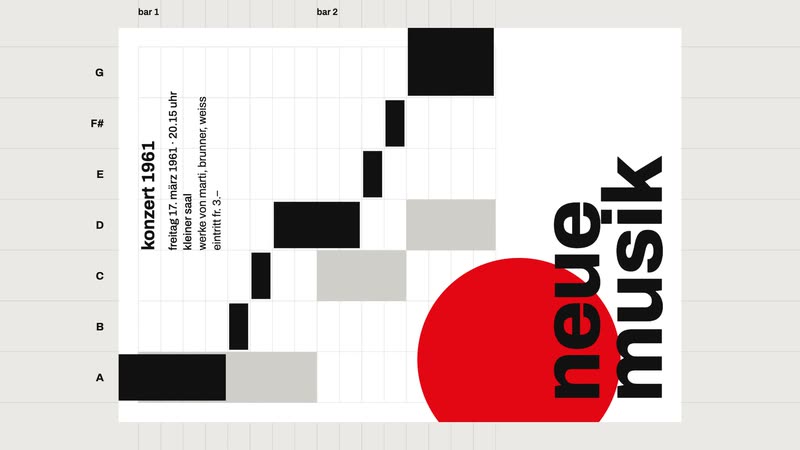
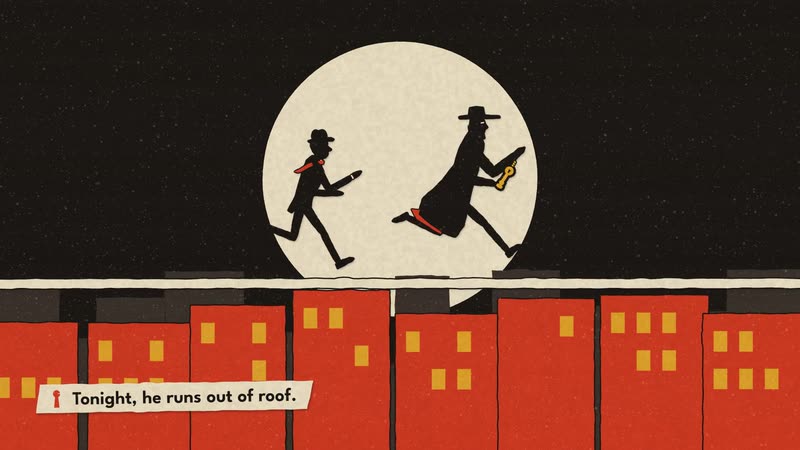
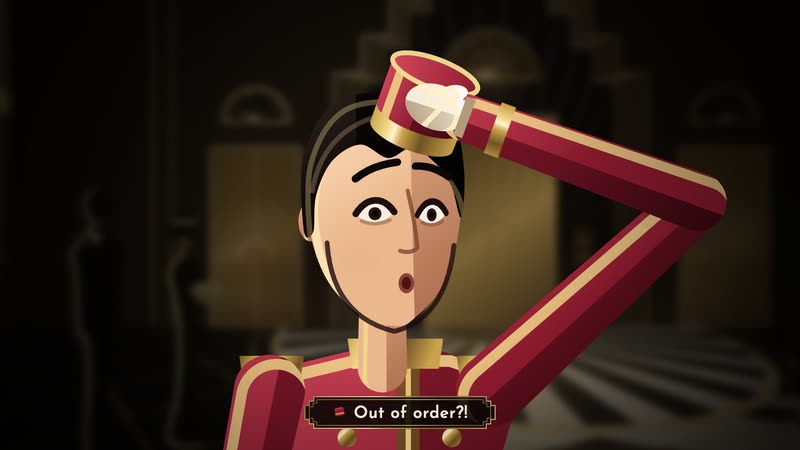
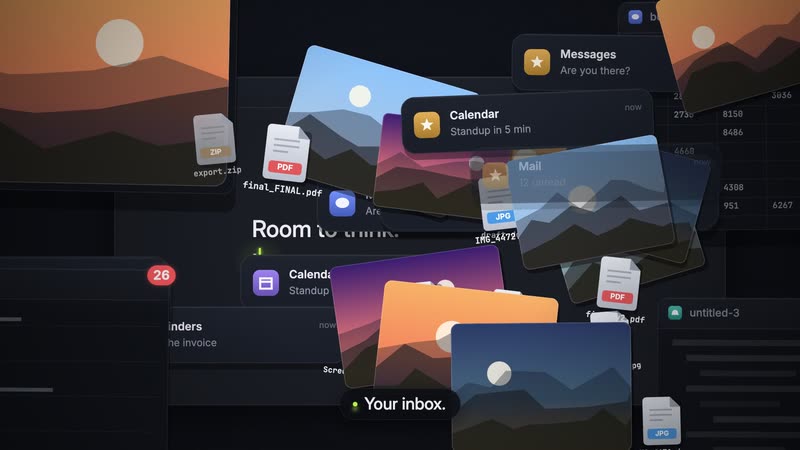
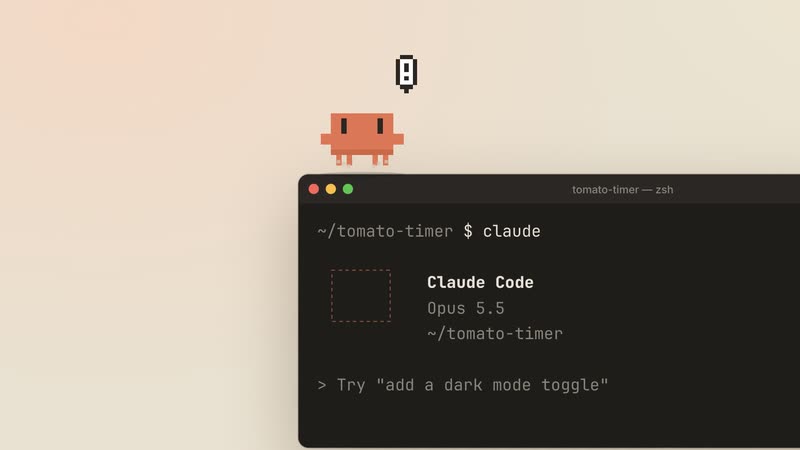
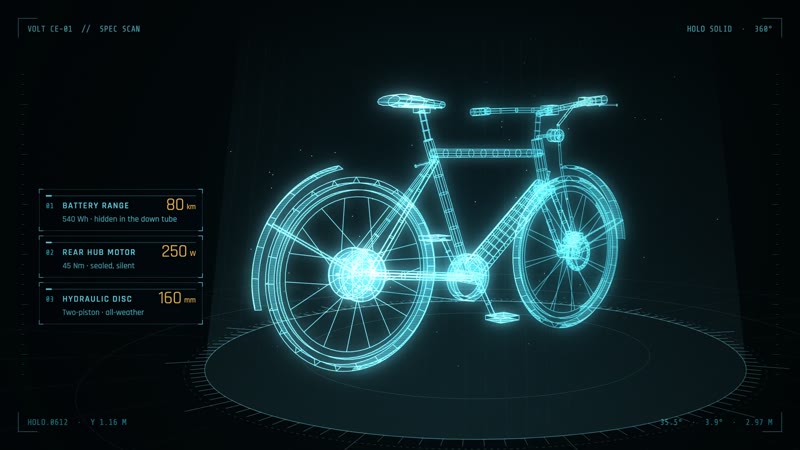
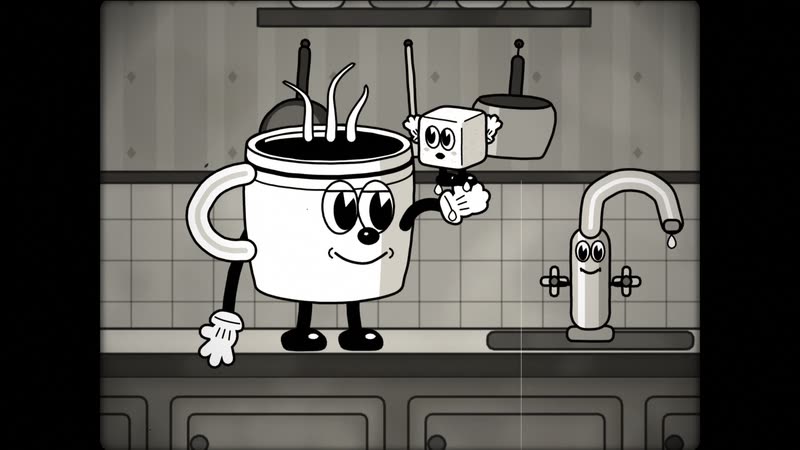
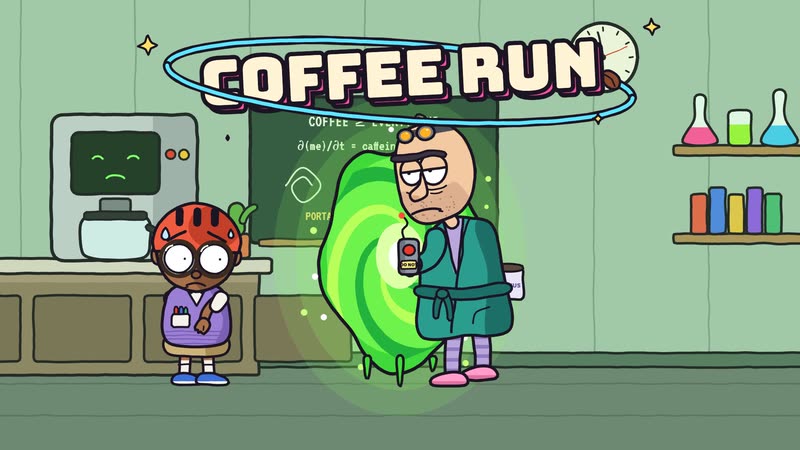
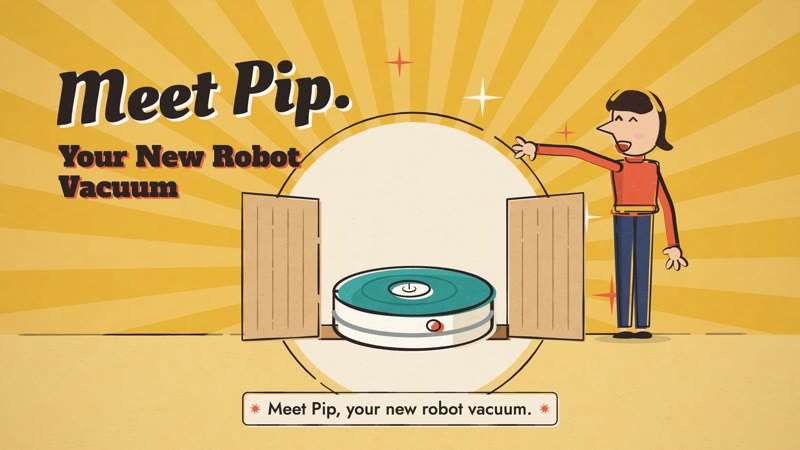
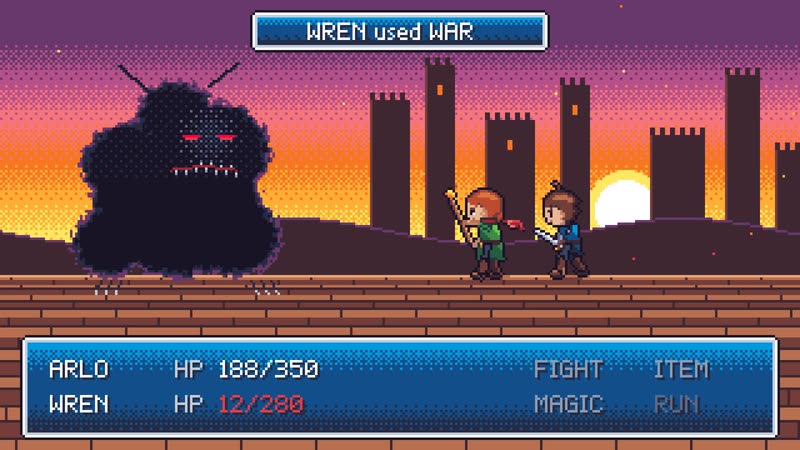
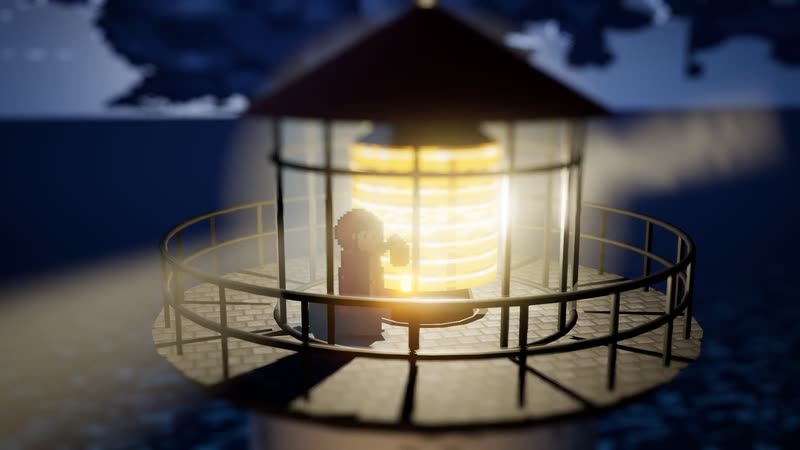
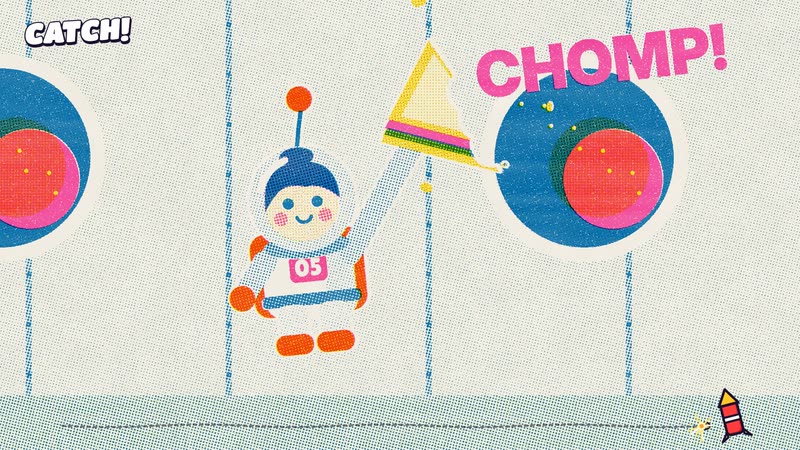
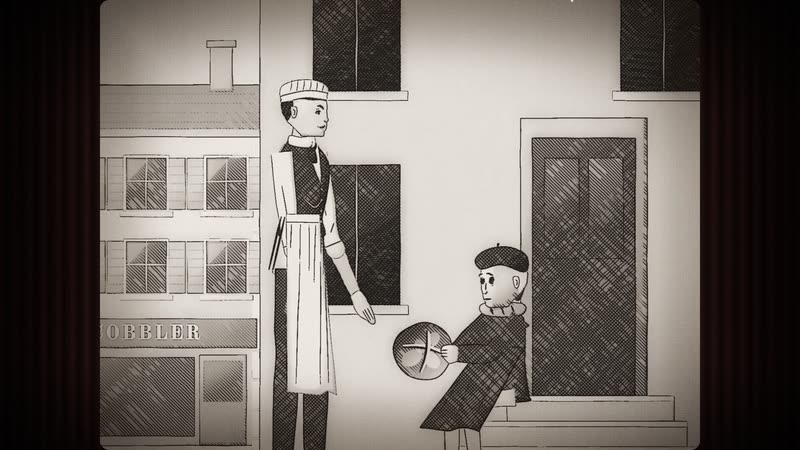
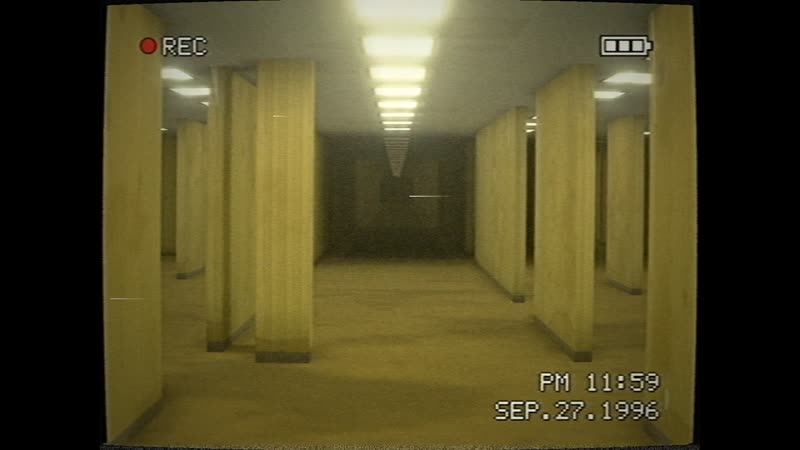
The films above show what the author gets from the same library. Our single run landed below that bar, which fits the README's own note that a film takes 30 to 60 minutes of agent work: a quick pass gets you a usable explainer, and the showcase look takes more iteration.