
Ordalin
Submit a tool

Cinetic

On Claude Fable 5.2 it rendered a finished 15-second update film with licensed music and synced sound in 18 minutes for $6.26; the same brief on Opus 5.5 cost $3.60 and came out at 14 seconds. Setup is heavy, and the Fable run left files in the home folder although we asked it not to.

Checked 2026-11-11
Tested 2026-11-11 with claude-fable-5-2

All five author demos

These are the films the author publishes with the repository: one update video for cinetic itself and four films for invented products. Each shows a different kind of product video.

Update film style: New in cinetic 1.1
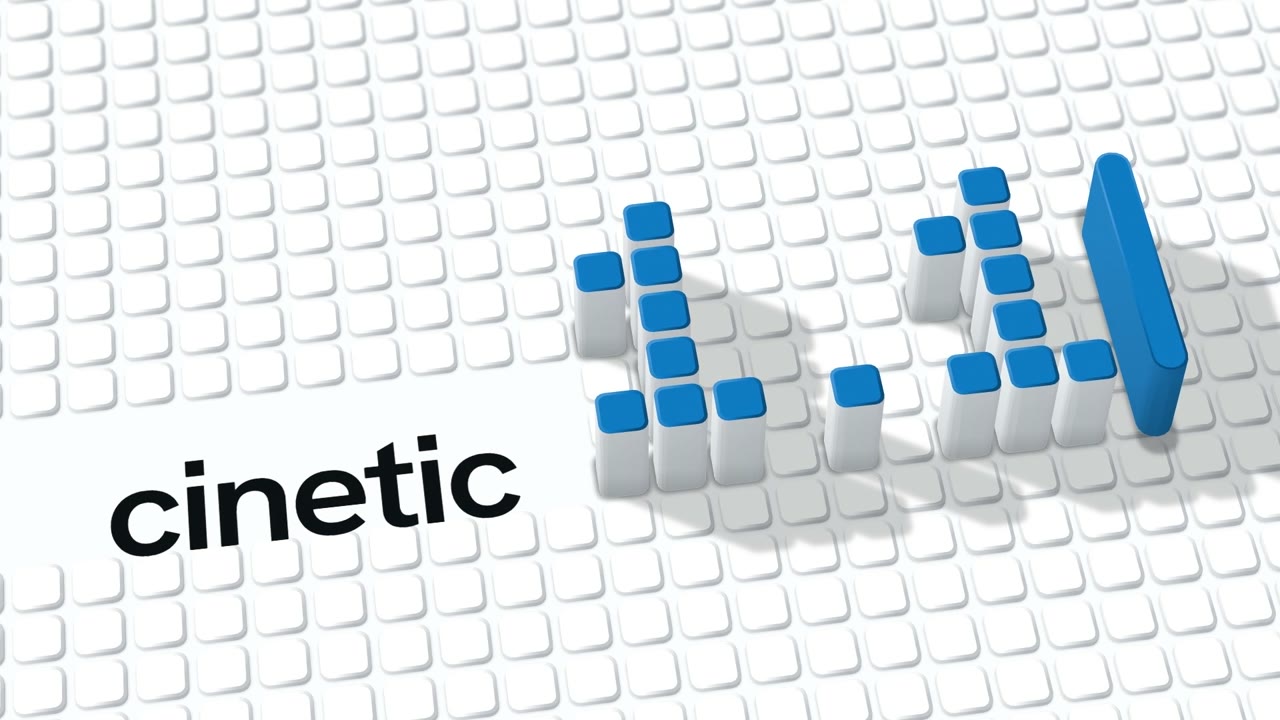
Update filmNew in cinetic 1.1. The author's own release video: words arrive one at a time, every sound lands on a cut, and it ends on the cinetic logo.
  • Release notes
  • Changelogs
  • Product updates
Launch teaser style: Kiln
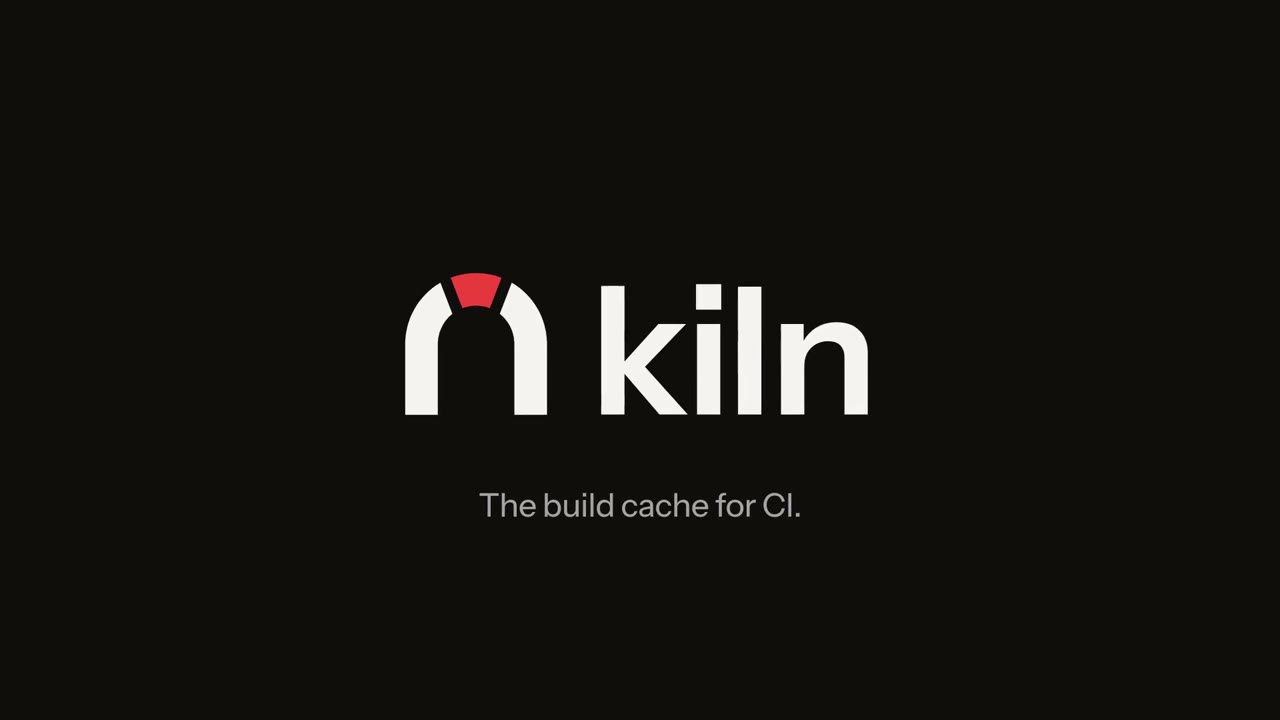
Launch teaserKiln. A teaser for an invented CI build cache: "One line changed." "Only what changed."
  • Launches
  • Developer tools
  • Waitlists
Feature loop style: Ledgerly
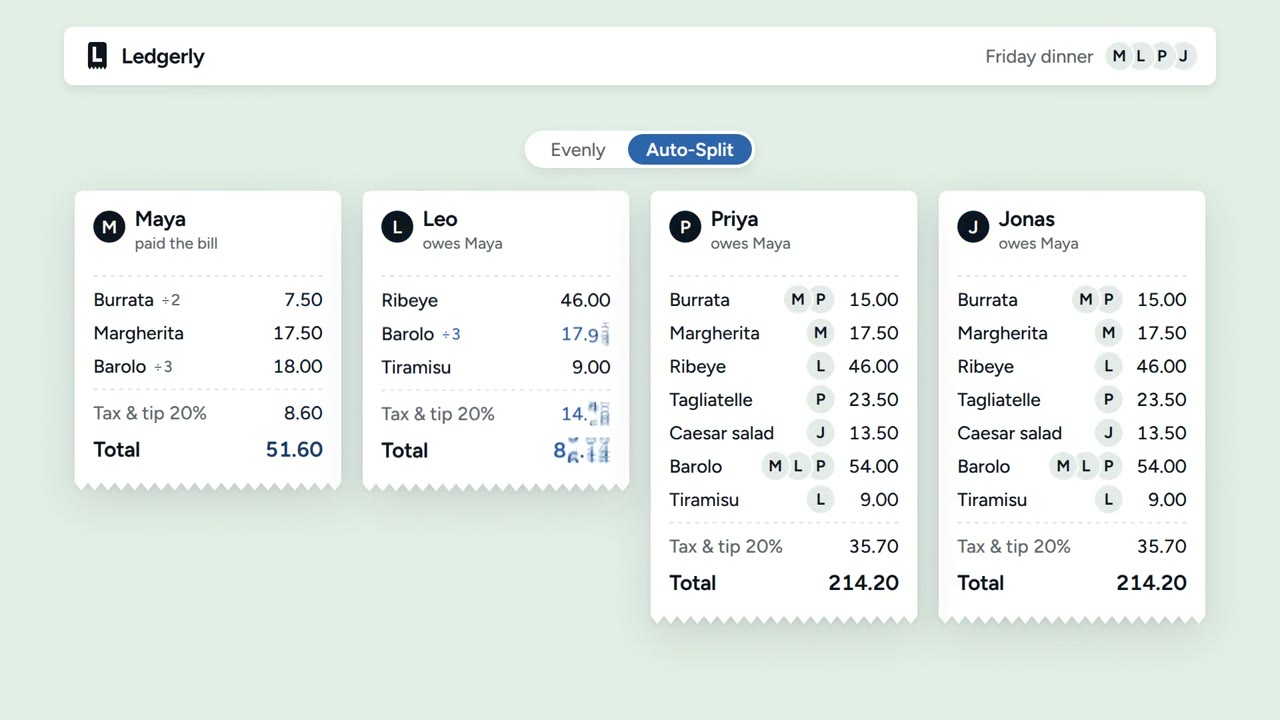
Feature loopLedgerly. A 10-second loop for an invented bill-splitting app, built on one joke: Jonas only had salad.
  • Feature demos
  • Landing pages
  • App stores
Vertical social style: Quire
Vertical socialQuire. A 9:16 cut for an invented reading app's streaks: "Every Monday… Every day."
  • Reels and Shorts
  • TikTok
  • Stories
Logo sting style: Halden
Logo stingHalden. A six-second logo reveal for an invented brand.
  • Intros and outros
  • Brand openers
  • Video signatures

Films by Leon Lin (Leonxlnx), from the cinetic repository (MIT), shown unchanged. The update film plays from the v1.1.0 GitHub release and the other four from the repository's media branch. The author made them with cinetic 1.0 and 1.1; the README's spots for 1.5 examples were still empty when we checked. They are not output from our test.

What our test produced

Claude Fable 5.2Rendered 1920×1080 with licensed music and synced sound; 15.13 s; 3 forensic checks failed, 18 warnings
Time
18 min
Cost
$6.26
Turns
83
Claude Opus 5.5, same briefRendered 1920×1080 with licensed music and synced sound; 13.97 s; four visual checks flagged
Time
18 min
Cost
$3.60
Turns
91
The film Claude Fable 5.2 made, with sound, unchanged from the render (15 s, 5.5 MB). Brand, app, copy and content are the agent's inventions; the scenes come from cinetic's update template.
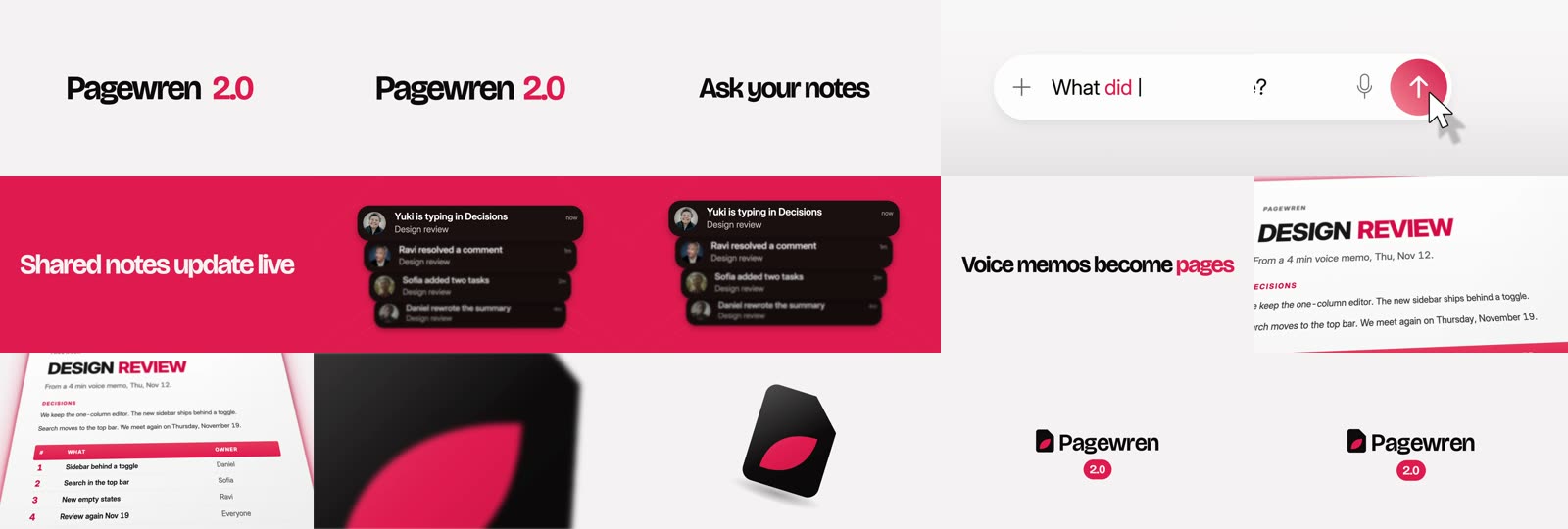
A contact sheet of 15 frames, one per second, from the Pagewren 2.0 film: the title, the three change headlines with their scenes, the logo mark and the end card
The Fable 5.2 film at one frame per second. The two dark frames near the end are the logo's camera pull-back.
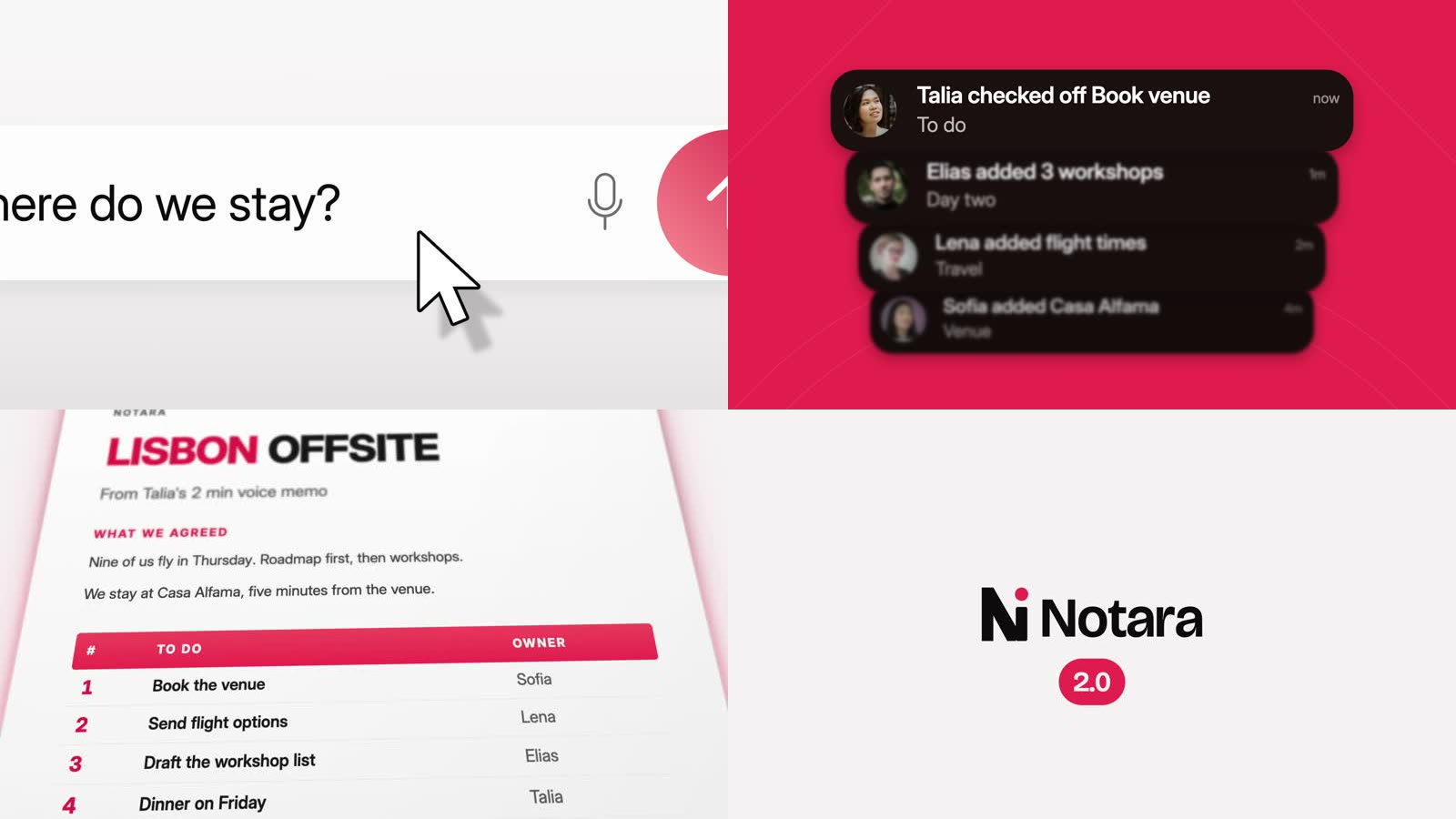
Four frames from the Opus 5.5 run in a grid: a search bar reading Where do we stay? with a pointer; dark notifications on crimson; a tilted page titled Lisbon Offsite with a to-do table; and the Notara logo with a red 2.0 badge
Four moments from the Opus 5.5 film for the same brief (Notara 2.0, 14 s). It uses the same template scenes with different copy; we kept only stills from that run.

Best for

  • Launch teasers, "what's new" update films and feature loops for software products
  • Founders and developers who want a product video they can edit and re-render as code
  • Claude Code users comfortable installing Python, ffmpeg and Node tooling

Not the best fit for

  • A quick clip on a bare machine; it needs Node 22, ffmpeg 6, Python 3.11 with a dozen packages, a headless Chromium and its own sound library
  • Exact durations; the update template snaps the ending to the music's bar lines, so our 15-second brief came out at 15.13 seconds on Fable 5.2 and 13.97 seconds on Opus 5.5
  • Companies of four or more people without a Remotion company licence (Remotion's own terms, not cinetic's)

How it works

  1. 1

    A brief, then a plan

    The agent writes a short brief for the film: the product, the changes or the story, the format and the length. A deck of 35 directions and a book of 466 devices in 25 families help it choose a look, and a script deals the brand's fonts, colours and logo treatment.

  2. 2

    Templates and ready scenes

    Each film is a Remotion project started from one of eight templates (update, UI walkthrough, capability reel, camera teaser, prompt run, social ad, type explainer or a plain starter). Version 1.5 added a bank of 34 house scenes, such as notification stacks, typed prompts and flying pages, filled with consistent invented content: names, faces, dates and numbers that add up across screens.

  3. 3

    Licensed music and real sound

    A script searches free libraries for a human-made track (no AI music) and fits the film's timing to its bars. Sound effects are real recordings placed on each cut, with earshot, the author's sound tool, handling the mix. Every asset keeps its licence record, and a credits file comes with the film.

  4. 4

    Checks before delivery

    Copy, lint, timing, loudness and visual checks run on drafts and the final render, flagging things like text that pops in too fast or a camera that pushes in and back. One agent finishes the default path in one to two hours, by the skill's own estimate.

Try it

  1. 1
    Install the skill
    npx skills add Leonxlnx/cinetic

    Add -g -a claude-code -y to install it globally for Claude Code. You also need Node 22 or newer, ffmpeg 6 or newer and Python 3.11 or newer; the agent can set up the Python packages, earshot and the headless Chromium itself.

  2. 2
    Ask Claude Code for a film
    Use the cinetic skill to make a 15-second update video for our notes app's v2, showing three changes: ask your notes anything, live edits, and voice memos that become pages. Render it to out/film.mp4 at 1920x1080 with music and sound.

    A shortened version of what we asked. Name your real product and changes, and add your logo if you have one.

Key facts

Author
Leon Lin (Leonxlnx)
Licence
MIT (Remotion, the default engine, needs a company licence for teams of four or more)
Version checked
1.5.1
Works with
Built for Claude Code; installs through the Skills CLI for other agents that load SKILL.md folders
Language
English
What it produces
Product launch teasers, update videos, feature loops, logo stings and vertical social cuts rendered in Remotion, with licensed music, real sound effects and a credits file
Install
Run npx skills add Leonxlnx/cinetic (add -g -a claude-code -y for a global Claude Code install); needs Node 22+, ffmpeg 6+ and Python 3.11+

From the skill’s own repository. “Not stated” means the repository does not say.

Our test

Cinetic is a free agent skill by Leon Lin (Leonxlnx) for product videos: launch teasers, update films, feature loops, logo stings and vertical social cuts. The agent writes the film as a Remotion project from templates and a bank of ready scenes, picks a licensed human-made music track, places real sound effects on every cut and checks the result with its own quality gates before it delivers an MP4. Below you can watch the film Claude Fable 5.2 made in our test and all five of the author's demo films, see how it works, and compare the same 15-second brief on Fable 5.2 and Opus 5.5.

2026-11-11 · Claude Code 2.1.322, headless (claude -p), skill installed in an empty project's .claude/skills; the same brief also run on claude-opus-5-5 · claude-fable-5-2 · repository commit a6a6a02
What we asked

Use the cinetic skill to make a 15-second update video for an invented note-taking app's v2, showing three changes. Invent the brand, the app name and the three changes. Render the finished film to ./out/film.mp4 at 1920x1080 with music and sound. Do the skill's setup yourself inside this folder, and don't change anything outside it.

From the film's credits fileFrom the Fable 5.2 run, shortened. The full file lists eleven Mixkit sound effects, each with its source page and licence.
## Music
### "One More Dance" by Arulo
- Source: Mixkit
- Licence: Mixkit Stock Music Free License
- Credit: not required (a courtesy line is given below)
- Edited for this film: edited at bar lines for the film; levels adjusted.

## Sound effects
- "Elevator tone" (Mixkit): Mixkit Sound Effects Free License, no credit required
- "Cool interface click tone" (Mixkit): ...
- "Soft typing on a digital keyboard" (Mixkit): ...
From Fable 5.2's final report

Length: 15.13 s rather than exactly 15, because the cut follows whole bars of the 110 BPM track. The skill's full forensics check reports 3 failures and 18 warnings, which I left in.

What we tested

We installed cinetic 1.5.1 (commit a6a6a02) into an empty project and gave Claude Code the brief above, headless, with no follow-up: once on Claude Fable 5.2 and once on Claude Opus 5.5, each in a fresh folder. The machine had Node, ffmpeg and uv but only Python 3.10 and no earshot, so each run had to do the skill's setup first. We asked both to keep everything inside the project folder.

What we found

  • Fable 5.2 delivered a finished film. A 1920×1080, 30 fps MP4 of 15.13 seconds for "Pagewren 2.0", an invented notes app by an invented studio, with three changes (ask your notes, shared notes that update live, voice memos that become pages), a licensed Mixkit music track, recorded Mixkit sound effects, a mix at −14 LUFS, a poster and a credits file. You can watch it above.
  • Opus 5.5 did the same for less. Its film, "Notara 2.0", came out at 13.97 seconds with a Coverr track, in 18 minutes and 91 turns for $3.60. Fable 5.2 took the same 18 minutes in 83 turns but cost $6.26, about 1.7 times as much. The two films look alike because both used the update template's scenes.
  • Setup worked without help, but not cleanly. Both runs created a Python 3.11 environment with uv and built earshot 0.4.1 from its GitHub tag (the PyPI package of that name is an unrelated library, as Fable noted). Some cinetic scripts ignore the cache setting and write to ~/.cinetic. Opus noticed and moved the files back; Fable reported them and left them, along with about 1.6 GB of earshot audio-model caches in ~/.cache/earshot, which also ignored its redirect.
  • The template sets the length. The update template fits the film to the music's bars and locks its timing limits, so neither run hit 15 seconds exactly: 15.13 on Fable's 110 BPM track, 13.97 on Opus's.
  • The checks are strict, and some still failed. Fable's run ended with 3 failed forensic checks and 18 warnings (a 1-pixel camera settle read as a push-and-back, a one-frame pop, light-background banding, one headline at 2.65:1 contrast); Opus's with four flagged moments in the template's own scenes. Both agents judged them minor and left them, and said so.
  • Most of the look comes from the skill. The headline cards, notification stack, flying page and logo pull-back are cinetic's scenes. The agent wrote the brand, the copy and the content, and chose the scenes. That is why a short run already looks finished, and also why films can share a family look.

The author's demos above are longer and more varied than our 15-second runs. For a real launch, budget the skill's own one to two hours, supply your actual logo and screenshots, and expect to accept the length the music gives you or tune the template.

FAQ

What does cinetic do?

It gives a coding agent everything needed to make a short product video in code: templates for common formats, a bank of ready scenes, brand and font tools, a music finder for licensed human-made tracks, real sound effects, and quality checks. You describe the product and the film; the agent writes a Remotion project, renders it and delivers an MP4 with a credits file.

Does it use AI video or AI music?

No. Every frame is drawn by Remotion (or HyperFrames, the HTML and GSAP alternative) from code. The skill refuses AI-generated music and AI-generated stock clips; it uses human-made tracks from free libraries and real sound-effect recordings, each with a licence record. Faces in the product scenes come from Burst, Shopify's free stock photo site.

How do I install it?

Run npx skills add Leonxlnx/cinetic, or add -g -a claude-code -y to install it globally for Claude Code. In our test it was copied into the project's .claude/skills folder, which works the same way.

What do I need on my computer?

Node 22 or newer, ffmpeg 6 or newer, Python 3.11 or newer with packages such as numpy, scipy, librosa and opencv-python, earshot 0.4 in its own Python environment, and a headless Chromium for rendering. In our test, Claude Code set up the Python environments with uv and built earshot from source on its own.

Is it free to use commercially?

The skill is MIT-licensed. Remotion, the default engine, has its own licence: free for individuals and teams of up to three people, with a paid company licence from four. The music and sound effects the skill picks come with their own free licences, recorded in the film's credits file.

How long does a film take?

The skill estimates one to two hours for one agent on its default path. Our 15-second update film took 18 minutes on both models, including the whole setup, because we let the agent keep the flagged checks instead of fixing the template's scenes.

Does cinetic work with Claude Fable 5.2?

Yes. Claude Code on Claude Fable 5.2 set up the skill and rendered a finished 15-second film in one headless run, in 83 turns for $6.26 at API prices. Opus 5.5 did the same brief for $3.60. The films look much alike, because most of the look comes from cinetic's template scenes rather than the model.

Repository

  1. github.comgithub.com/Leonxlnx/cinetic ↗