
What we tested
We downloaded Fable Video Maker 1.0 from the author's page on 2026-11-13, installed the skill into an empty project's .claude/skills folder and gave Claude Code on Claude Fable 5.2 the brief above, headless, with no follow-up. We told it to treat the brief as the approved script so it would not stop to ask, to use music only (no ElevenLabs key was set), and to keep its setup inside the project folder. The machine had Node, ffmpeg and Chrome.
What we found
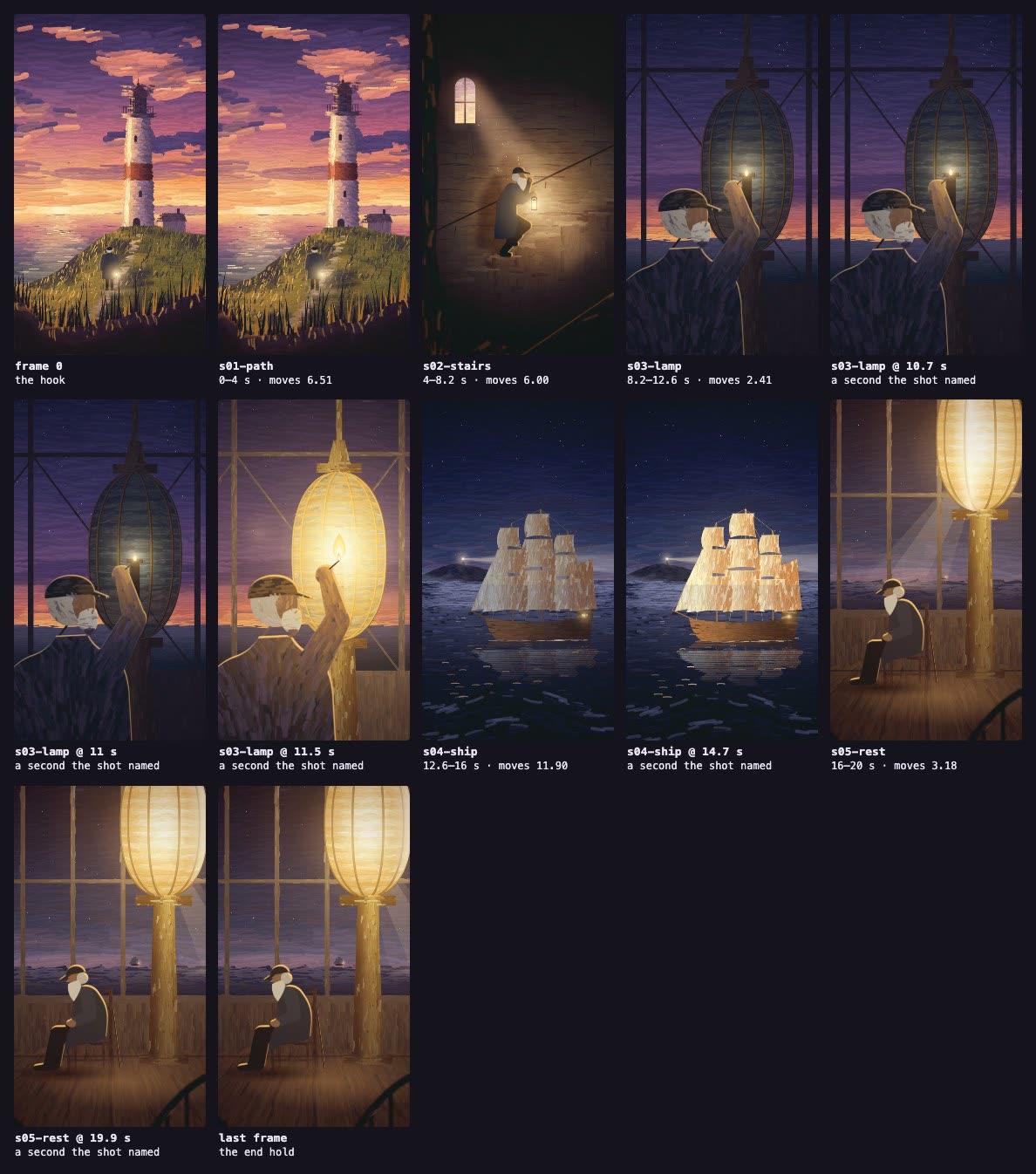
- A finished film from one paragraph. "The Last Light" is a 20-second, 1080×1920, 30 fps MP4 in five shots: the keeper walks up the hill at dusk, climbs the stair, lights the lens, the beam finds a sailing ship, and he falls asleep beside the lamp. The shots are joined by short crossfades with slow push-ins, and there is no text on screen. You can watch it above.
- The painted look holds up. Skies, grass, sea and the lit lens have visible brushwork that moves, which already looks far less like stock slideshow video than most AI clips. The keeper is the weak point: head, shoulders and raised arm stay simple flat shapes, and the agent named that shot as its weakest without being asked.
- The score is written in code too. It wrote a short music piece and a sea bed in a script, mixed them to −15.9 LUFS, and timed the bell to the moment the lamp catches at 11 seconds. Its first file check failed on true peak because the AAC encode overshot on that bell; it softened the attack, remixed and re-muxed from the kept frames without changing the picture.
- It reviews itself, within limits. It ran three rounds of stills (the first plus two repaints) and checked every cut at full size. It said plainly what it could not check: it cannot hear the score and never watched the film in motion.
- Setup stayed in the folder. It installed the browser driver inside the skill folder, kept npm's cache and temp files in the project, used the existing Chrome and downloaded no browser.
- It is not cheap. 60 turns and $11.36 at API prices for 20 seconds, most of it Fable 5.2 drawing and redrawing shots. On a Claude subscription that comes out of your usage instead.
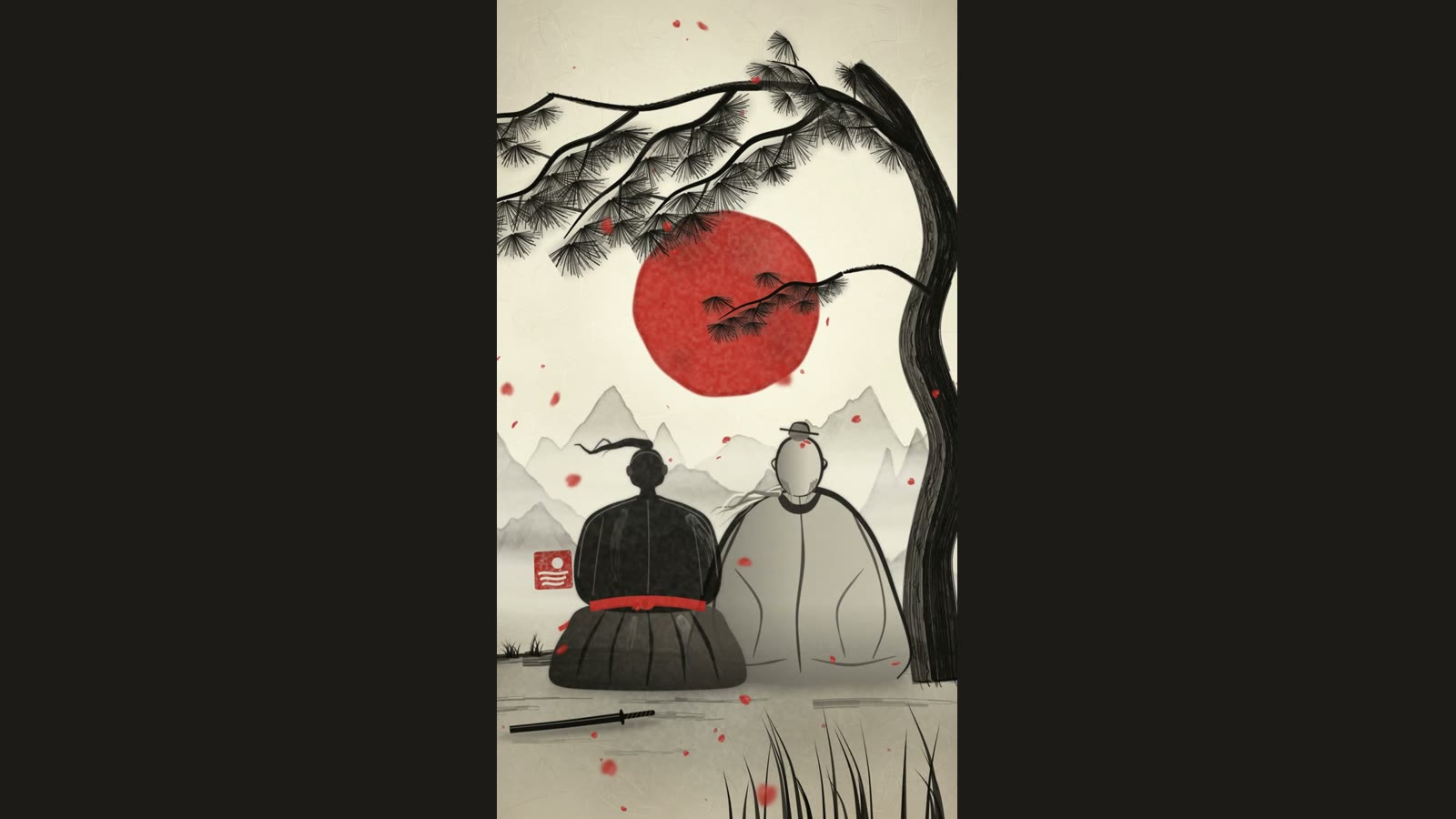
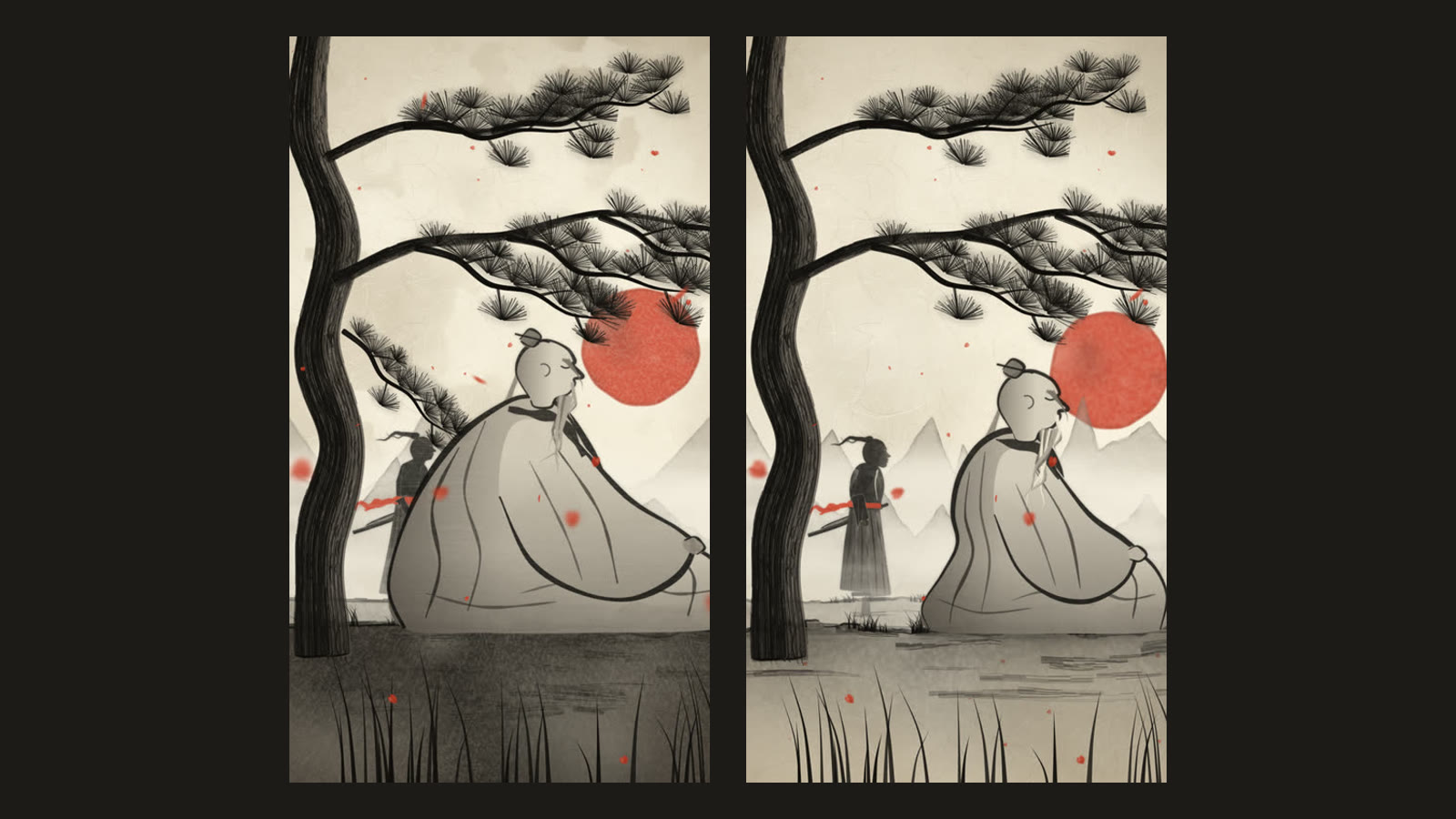
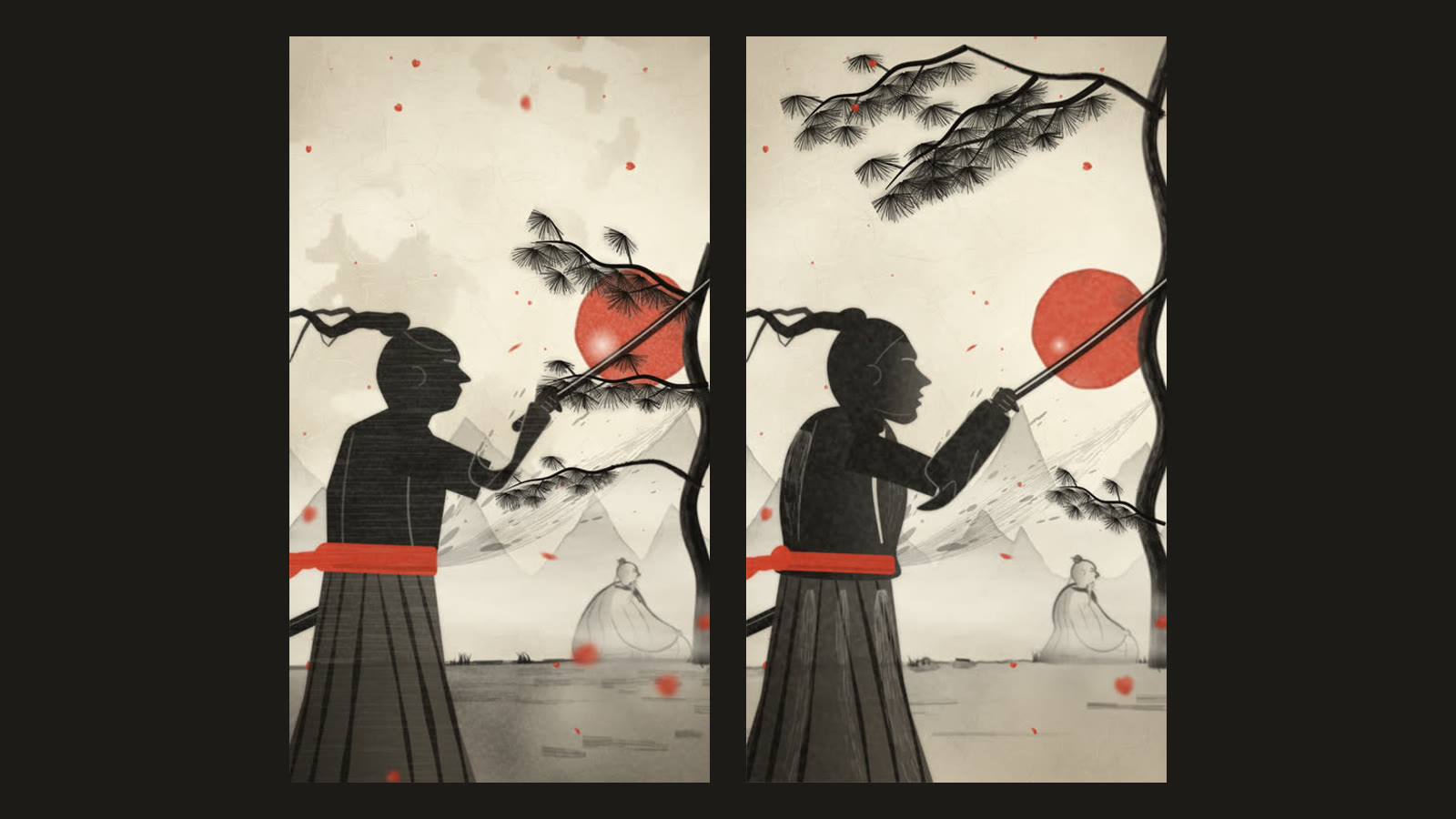
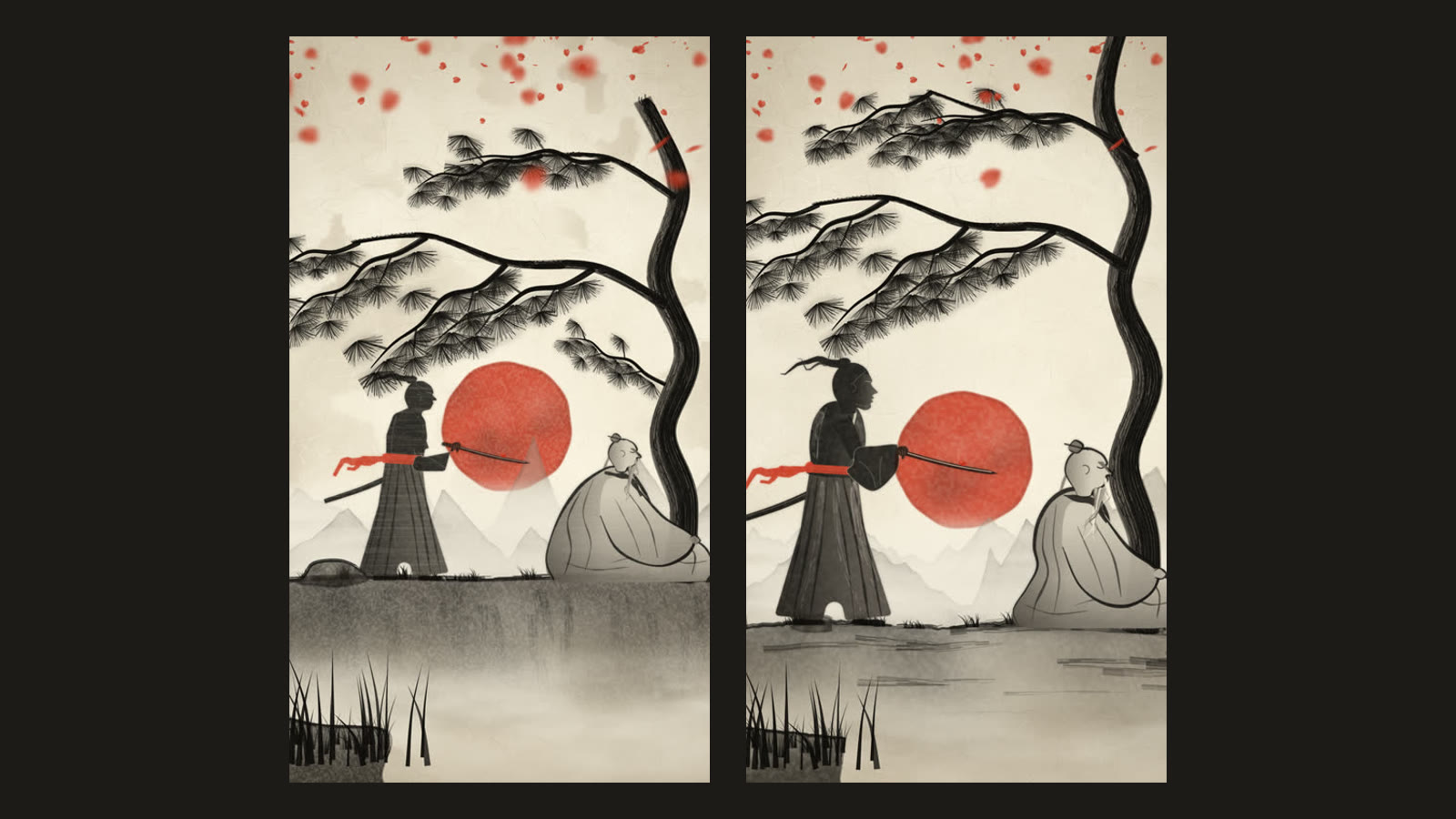
The author's Quiet Blade film above shows what the ink-wash look can do with figures, and his before-and-after stills show the self-review catching real framing mistakes. For other ways to make films with Claude, including the Cinetic and Lemo-Opuscar skills, see our Claude motion graphics guide.